Safer Schools Start With What Happens Every Day At Your School
For schools like your school in Beaverton, the moments that matter most aren’t planned—they happen in real time. The question is whether your systems can keep up.
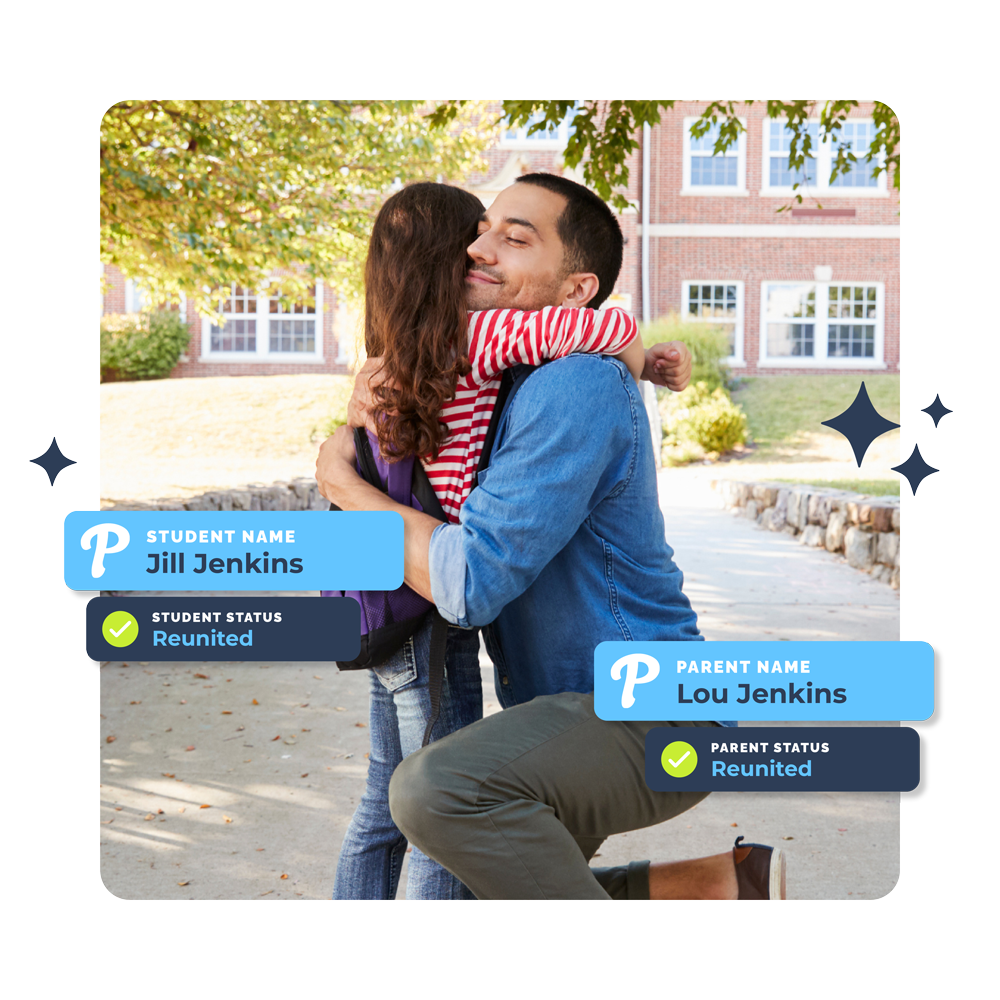
From front office check-ins to end-of-day dismissal and reunification, schools are rethinking how visibility and coordination actually work under pressure.
There’s a moment every school hopes never happens. And yet, in small ways, versions of it happen more often than expected.
A parent waits at a bus stop. The bus arrives. Their child doesn’t get off.
A call to the school leads to uncertainty. Staff begin checking. The tone shifts. Not because anyone did something wrong—but because there isn’t immediate visibility into what happened.
That moment—when no one can confidently say where a student is—is where the gap becomes real.
Not a policy gap.
Not a planning gap.
A visibility gap.
And in districts like Beaverton, where schools manage hundreds of daily transitions with limited staff, those gaps aren’t about effort. They’re about systems.
Where Small Gaps Turn Into Real Risk
Safety Challenges Rarely Begin During An Emergency At Your School.
Most schools don’t identify safety gaps during a formal review. They recognize them during everyday moments.
It shows up when a visitor process depends on who is at the front desk that day. When dismissal relies on memory, radios, or handwritten notes. When locating a student requires multiple calls instead of immediate clarity.
And most critically, it shows up when plans meet pressure.
Reunification is a perfect example. On paper, it works. In practice, without the right coordination tools, it becomes difficult to execute quickly and confidently.
The challenge isn’t that schools aren’t prepared. It’s that preparation often lives separately from daily operations.
How Schools Start
How Schools Are Solving This Today
Schools are not looking for more systems. They are looking for fewer gaps.
That’s why many are shifting toward a more connected approach—one that brings together:
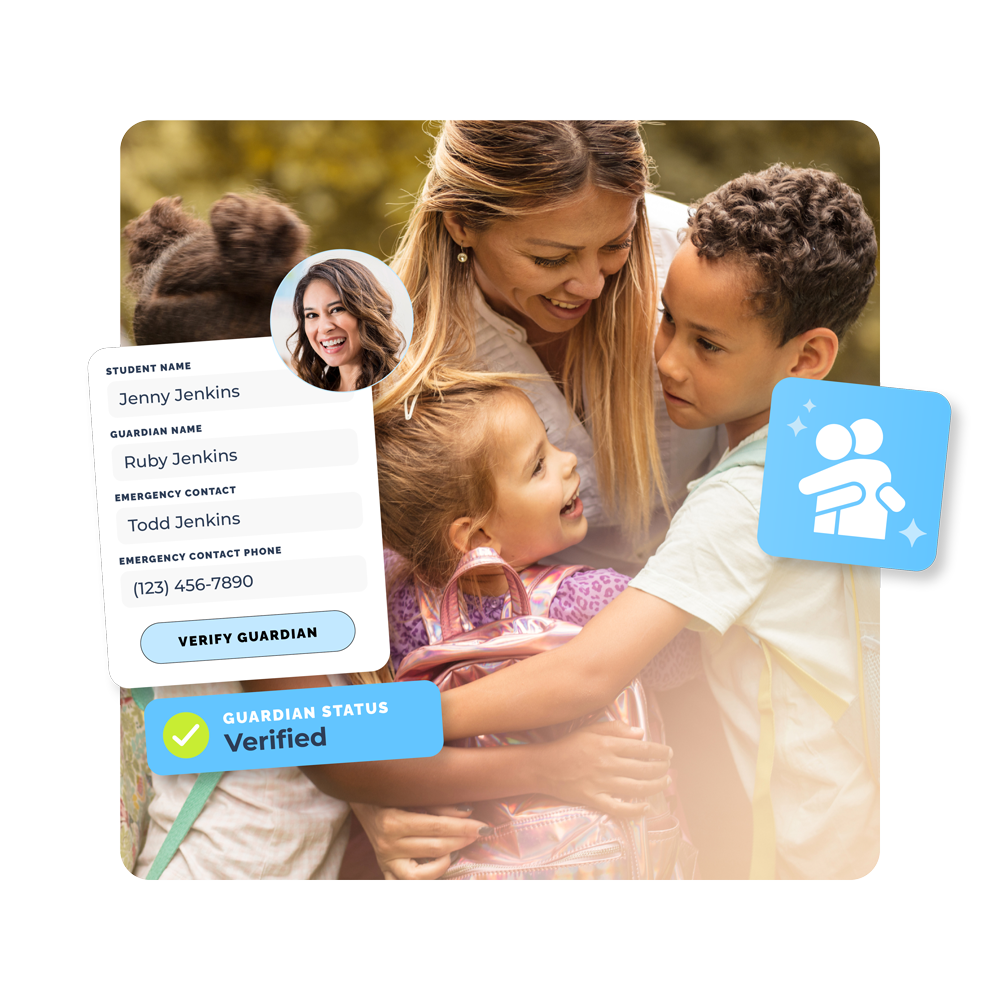
Visitor management that creates consistency at the front office
Student visibility during key transitions like dismissal
Reunification processes that are structured, not improvised
Communication that keeps staff and families aligned in real time
The difference is not complexity. It’s clarity.
When daily operations and emergency readiness are part of the same system, schools gain something they didn’t have before:
Confidence in what’s happening—without needing to double-check everything.
Beaverton School District
What This Looks Like in Beaverton School District
This isn’t about changing how your school works. It’s about supporting it.The schools seeing the most success aren’t overhauling everything. They’re starting with one area:
Often the front office.
Sometimes dismissal.
Increasingly, reunification readiness.
From there, they build consistency across the day.Because if a process cannot be executed in seconds, it doesn’t hold under pressure.
Aligned with Proven Reunification Practices
Built to support frameworks from The “I Love U Guys” Foundation, this approach helps schools move from having a reunification plan to executing it with confidence.
A Note From DJ Jensen
Before working with schools across the country, I experienced this firsthand as a parent here in Beaverton.
There was a day my child didn’t get off the bus. No one immediately knew why. And in those moments, the uncertainty is what stays with you.
What stood out most wasn’t a lack of care. The staff were incredibly responsive and concerned. But they didn’t have the tools to quickly confirm what had happened.
Everything turned out fine. But it changed how I think about school operations—and what’s possible today.
That’s why I spend my time now working with schools on exactly this:
Helping them create more visibility, more coordination, and more confidence in the moments that matter most.
If it’s helpful, I’d be glad to share what other schools are doing and see if any of it makes sense for yours.
Best,
DJ
Start With One Conversation
About Your School
Every school approaches this differently. The goal isn’t to replace what you’re doing—it’s to strengthen it where it matters most.
A short conversation can help identify where visibility gaps may exist at your school and what other schools are doing to address them.