

When Seconds Define Outcomes
In an emergency, time does not move the way we expect. Seconds stretch, decisions compress, and clarity becomes everything. For school leaders, the real question is not whether they can call for help. It is whether responders arrive already understanding what is happening. For decades, emergency response in schools has relied on human relay. Someone places a call. Information moves verbally. Dispatchers interpret. First responders arrive and assess. The system works, but it leaves room for delay and inconsistency. That is why districts are rethinking how schools integrate with 911. The goal is no longer just to initiate a response. The goal is to share real-time, structured intelligence that helps responders act immediately.
This shift does not replace people. It equips them with better information, faster.
The Evolution of School Emergency Response
School safety has traditionally been built around reaction. A situation unfolds, staff respond internally, and information moves outward through a call to 911. What happens next depends on how clearly that situation can be described under pressure.
The limitation has never been effort. It has been structure.
When communication relies only on voice, critical details can arrive late or require repeated clarification. Location specifics, access points, and evolving conditions often remain unclear until responders reach the scene.
This is where schools integrate with 911 begins to change the equation. Instead of relying entirely on verbal updates, schools can now transmit structured data directly to emergency communication centers. That data creates a shared understanding before anyone arrives on campus.
The result is not just faster response, but more coordinated response.
Why Integration with 911 Matters More Than Ever
Inside a school, situational awareness evolves by the second. Staff see what is happening in real time. Outside, responders rely on whatever information they receive through a call.
That gap creates friction, and in an emergency, friction costs time.
Platforms like RapidSOS help close that gap by allowing connected systems to share real-time data directly with emergency communication centers. Instead of starting from zero, responders begin with context already in place.
But speed alone is not enough. Clarity determines outcomes.
A faster response without accurate information can still lead to confusion. Districts that succeed in how schools integrate with 911 focus on both speed and precision. They ensure that the right data reaches the right people at the right time.
What It Means to Be a 911-Connected District
A 911-connected district does not depend on a single tool or moment. It builds a system that connects daily operations with emergency response.
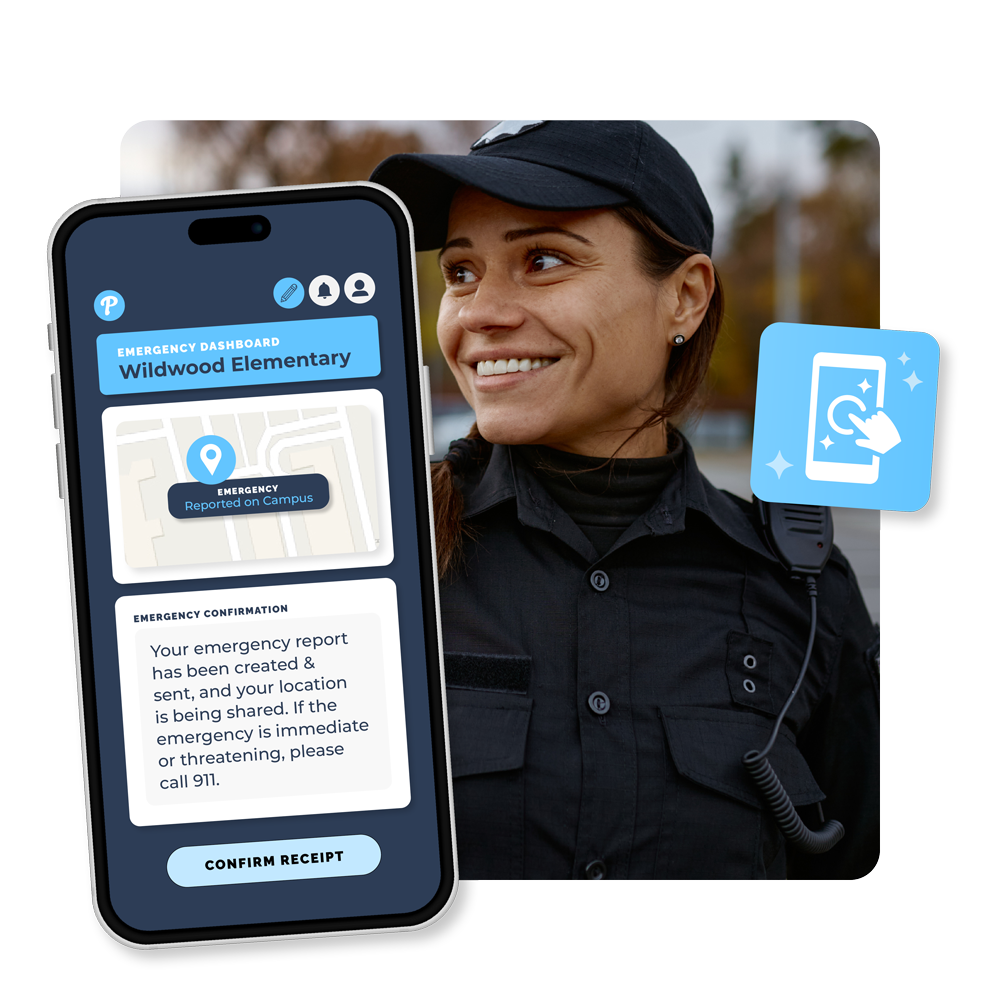
When an alert is triggered, information moves automatically. The type of incident, the location, and relevant context travel together, creating a more complete picture for responders. Communication no longer depends entirely on manual relay.
This is where integration becomes operational, not theoretical.
In a connected district, emergency response reflects the same consistency as daily workflows. The systems used for dismissal, attendance, and communication contribute to a broader safety infrastructure. That is the foundation of how schools integrate with 911 effectively.
Where Emergency Readiness Actually Begins
Emergency readiness does not begin during a crisis. It begins with how a school functions every day.
If a school struggles to account for who is on campus during dismissal, it will struggle to provide accurate information during an emergency. The same applies to visitor tracking, attendance visibility, and internal movement.
These systems are often viewed as operational tools. In reality, they are sources of critical data.
When integrated properly, daily operations become the backbone of emergency response. They provide the context that responders need before they arrive. This is one of the most overlooked aspects of how schools integrate with 911, yet it is one of the most important.
Technology as the Connector, Not the Solution
Most districts are not starting from zero. They already have technology in place. The challenge is that those systems often operate independently.
When tools remain disconnected, they cannot support real-time response. Information stays siloed, and staff must bridge the gaps manually.
Integration changes that dynamic.
Instead of adding more tools, districts are focusing on connecting what they already have. Emergency alert systems, communication platforms, and operational workflows begin to function as one environment.
This is where partnerships matter. A connected ecosystem ensures that data moves seamlessly between systems and reaches external networks when it matters most.
How Emergency Alert Systems Bridge the Gap
An effective emergency alert system does more than notify staff. It serves as the bridge between internal response and external action.
When an alert is initiated, the system can simultaneously trigger internal communication and share structured data externally. This reduces reliance on manual relay and ensures consistency in how information is delivered.
Instead of describing a situation from scratch, staff initiate a process that already includes key details. Responders receive clearer, more reliable information from the start.
This consistency is what strengthens how schools integrate with 911 in real-world scenarios.
Becoming a 911-Ready District
The transition to a connected model does not happen all at once. It begins with understanding the current state of readiness and identifying where gaps exist.
From there, districts must align stakeholders across departments. Safety leaders, IT teams, and administrators all play a role in building an integrated approach. When these groups operate in isolation, progress slows. When they align, integration becomes achievable.
Technology then becomes an enabler, not a barrier. Districts prioritize solutions that integrate with external networks, support real-time data sharing, and scale across campuses without adding complexity.
But technology alone is not enough.
Training determines whether systems work under pressure. Staff must understand how to initiate alerts quickly and trust that the system will carry the right information forward. Without that confidence, even the most advanced tools fall short.
Finally, districts validate their readiness through drills. Not as a compliance exercise, but as a way to measure performance. They look at how quickly alerts are initiated, how accurately information is shared, and how effectively teams coordinate.
This continuous refinement is what turns integration into capability.
From Drills to System Validation
Traditional drills focus on behavior. They measure whether staff follow procedures correctly. While that remains important, it is no longer enough.
Integrated drills test systems as well as people.
They reveal whether data reaches emergency networks, whether communication flows as expected, and whether coordination holds under pressure. They also provide insight into where friction still exists.
When districts approach drills this way, they strengthen both readiness and confidence without increasing burnout. This aligns directly with the broader shift in how schools integrate with 911, where systems play a central role in response.
Why School-to-ECC Partnerships Matter
Integration does not happen in isolation. Emergency communication centers must understand how schools operate, just as schools must understand how ECCs receive and interpret data.
Strong partnerships create shared expectations. They ensure that when data is transmitted, it is meaningful and actionable. Without that alignment, even connected systems can fall short.
This collaboration is often the missing piece in how schools integrate with 911. Technology enables connection, but partnership ensures effectiveness.
The Future of Connected Emergency Response
The future of school safety is not defined by more tools. It is defined by better connection.
In a fully integrated environment, alerts trigger coordinated actions across systems. Data flows instantly to responders. Communication remains consistent across all stakeholders. District leaders maintain visibility before, during, and after an incident.
This is not a distant vision. It is already taking shape in districts that prioritize integration.
And it represents the next evolution of how schools integrate with 911—from isolated actions to connected systems that work in real time.
From Reaction to Coordination
School safety is no longer just about response. It is about coordination.
Districts that understand how schools integrate with 911 are building systems that support faster, clearer, and more consistent outcomes. They are aligning daily operations with emergency readiness, ensuring that the same systems used every day can support critical moments.
This shift moves safety from compliance to confidence.
And in those defining moments, confidence is what makes the difference.
Frequently Asked Questions
How do schools integrate with 911 systems?
Schools integrate with 911 by connecting emergency alert systems to platforms that share real-time data with emergency communication centers.
What data can schools share with 911 during emergencies?
Schools can share location data, incident type, and real-time updates through integrated systems.
Why is integrating with 911 important for school safety?
Integration improves response speed and accuracy by giving first responders situational awareness before arrival.
What technology supports 911 integration in schools?
Integrated alert systems, communication platforms, and partnerships with providers like RapidSOS enable real-time data sharing.