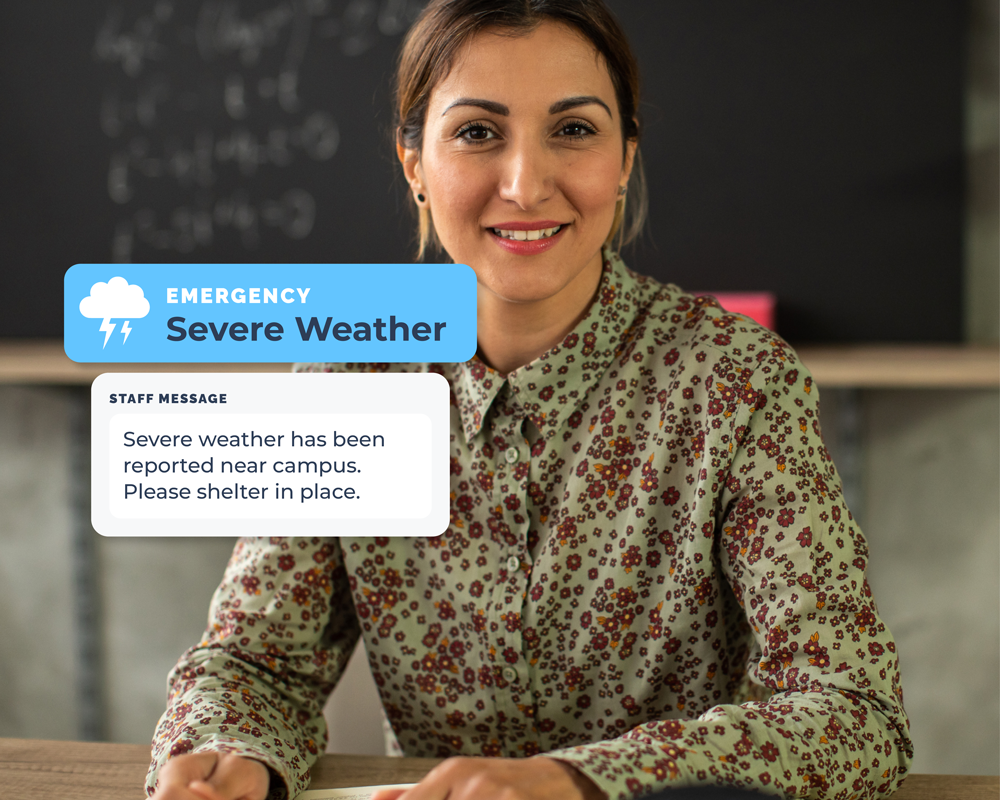


Why Real-Time Communication Matters in School Emergencies
School emergencies demand immediate, coordinated action. Delays in communication often lead to confusion, fear, and fragmented response efforts. When information does not reach the right people quickly, even well-prepared plans can break down. Real-time communication during school emergencies plays a critical role in protecting students and staff. Clear, immediate messaging helps leaders control situations before misinformation spreads. It also reduces panic among parents and community members.
Traditional emergency communication methods often fail under pressure. Phone trees move too slowly, emails go unread, and verbal messages become distorted. These gaps create uncertainty during moments when clarity matters most.
Modern real-time communication systems address these challenges directly. They deliver instant, consistent alerts across multiple devices and audiences. Messages reach staff, students, parents, and first responders simultaneously.
Platforms like Pikmykid’s Emergency Alert System provide a unified communication channel. Automation ensures alerts are delivered immediately, without relying on manual steps. This minimizes chaos and maximizes safety during critical moments.
Understanding the importance of real-time communication during school emergencies is now essential. It is no longer a nice-to-have feature. It is a foundational component of modern school safety.
How Real-Time Communication Transforms Emergency Response
Emergency response effectiveness depends on speed and accuracy. Traditional communication methods struggle to deliver both. Delays often occur when staff must decide who to call first.
Phone trees frequently break down during high-stress situations. Calls go unanswered or messages are miscommunicated. This slows response efforts and increases frustration.
Real-time digital communication removes these barriers. Alerts are distributed instantly across mobile devices, desktops, and digital signage. Everyone receives the same message at the same time.
Pre-defined alert templates also reduce confusion. Messages are clear, concise, and aligned with emergency protocols. This prevents misinformation and inconsistent instructions.
Real-time communication during school emergencies enables seamless coordination. Administrators, teachers, and safety teams stay aligned as situations evolve. Authorities receive timely information that supports faster decision-making.
Live updates further strengthen response efforts. Schools can share status changes as incidents unfold. This visibility helps teams adapt without waiting for follow-up calls.
AI-powered platforms enhance communication accuracy and speed. Automated workflows ensure alerts reach appropriate roles immediately. Role-based access ensures information flows securely and responsibly.
School communication automation reduces human error during stressful moments. Systems handle delivery while staff focus on student safety. This balance improves outcomes across emergency scenarios.
Strengthening Collaboration Between Schools, Parents, and First Responders
School emergencies affect entire communities. Parents, caregivers, and first responders all rely on timely information. Real-time communication bridges these groups during critical events.
Instant parent notifications provide immediate reassurance. Families receive accurate updates directly from the school. This reduces panic and limits the spread of rumors.
Real-time communication during school emergencies also supports first responder coordination. Integration with emergency services enables faster action. Authorities receive critical details without delay.
Emergency coordination tools improve situational awareness. Responders arrive informed about locations, risks, and needs. This preparation saves valuable time.
Post-incident reporting further strengthens collaboration. Schools can share follow-up updates and next steps. Feedback helps refine future emergency procedures.
Transparency plays a vital role during crises. Open communication reduces emotional distress for families. Communities feel informed rather than left in the dark.
Strong school-parent alert platforms reinforce confidence. When families trust communication systems, they trust the school. That trust matters long after emergencies end.
How Real-Time Communication Supports Better Preparedness
Preparedness begins long before emergencies occur. Real-time communication systems support drills, training, and planning. Familiarity reduces confusion during real incidents.
Digital safety communication tools standardize emergency messaging. Staff learn what to expect from alerts. Students recognize instructions quickly.
Emergency coordination software also supports documentation. Schools can review timelines after incidents. This insight improves accountability and planning.
AI-based alert systems help identify communication gaps. Data reveals which messages were delivered successfully. Leaders can refine workflows accordingly.
Real-time communication during school emergencies strengthens overall readiness. It turns plans into action. Preparedness becomes operational rather than theoretical.
Why Real-Time Communication Reduces Panic and Misinformation
Panic spreads faster than facts during emergencies. Without clear messaging, speculation fills the void. Social media often amplifies confusion.
Real-time communication interrupts that cycle. Schools deliver verified information immediately. Parents and staff receive facts directly from trusted sources.
Consistent messaging across channels matters. Alerts delivered via text, app notifications, and email reinforce clarity. No single channel carries the burden alone.
Emergency coordination tools help schools maintain message control. Updates remain centralized and accurate. This prevents conflicting instructions.
Real-time communication during school emergencies protects emotional well-being. Clear information provides reassurance. Calm communication supports rational decision-making.
The Role of Technology in Modern School Crisis Communication
Technology has reshaped how schools manage safety. Mobile-first platforms reflect how people communicate today. Speed and accessibility define effectiveness.
Digital safety communication tools meet modern expectations. Parents expect instant updates. Staff expect reliable alerts.
AI and automation further enhance performance. Systems scale instantly without added effort. Delivery remains consistent regardless of incident size.
School communication automation also supports equity. Alerts reach families regardless of language or location. Accessibility features expand reach.
Real-time communication during school emergencies aligns safety with modern operations. Schools move from reactive to proactive. Technology becomes an ally rather than an obstacle.
Connecting Real-Time Communication to Broader Safety Systems
Emergency alerts do not operate in isolation. They connect to broader safety strategies. Attendance, dismissal, and reunification depend on communication clarity.
Unified platforms reduce fragmentation. Staff use familiar tools during emergencies. Training requirements decrease.
Emergency coordination software integrates with daily operations. Systems feel natural rather than disruptive. Adoption increases across campuses.
For a deeper understanding of emergency alert infrastructure, explore our Comprehensive Guide.
This context highlights why real-time communication during school emergencies matters. Alerts are only effective when embedded within cohesive systems.
Real-Time Communication Is the Future of School Safety
School emergencies require immediate, coordinated action. Delayed communication increases risk and uncertainty. Real-time systems change that equation.
Real-time communication during school emergencies reduces confusion. It accelerates response times and supports collaboration. Student safety remains the central priority.
Modern platforms provide instant alerts, live updates, and automated workflows. These tools support staff under pressure. Parents stay informed and reassured.
The future of school crisis communication is digital, mobile, and automated. AI-driven systems enhance accuracy and scalability. Technology continues advancing safety outcomes.
Schools that invest in real-time communication build stronger trust. Preparedness becomes visible and actionable. Safety planning moves beyond documentation.
Stay connected when it matters most. Prepare your school community with reliable, instant emergency communication.
Stay Connected, Stay Safe — Discover How Pikmykid’s Real-Time Emergency Alerts Keep Schools Prepared!